


Public Safety - 911 Awareness

When an emergency happens, every second counts. Knowing when to call, what to say and what options are available can help responders reach you faster and keep everyone safer.
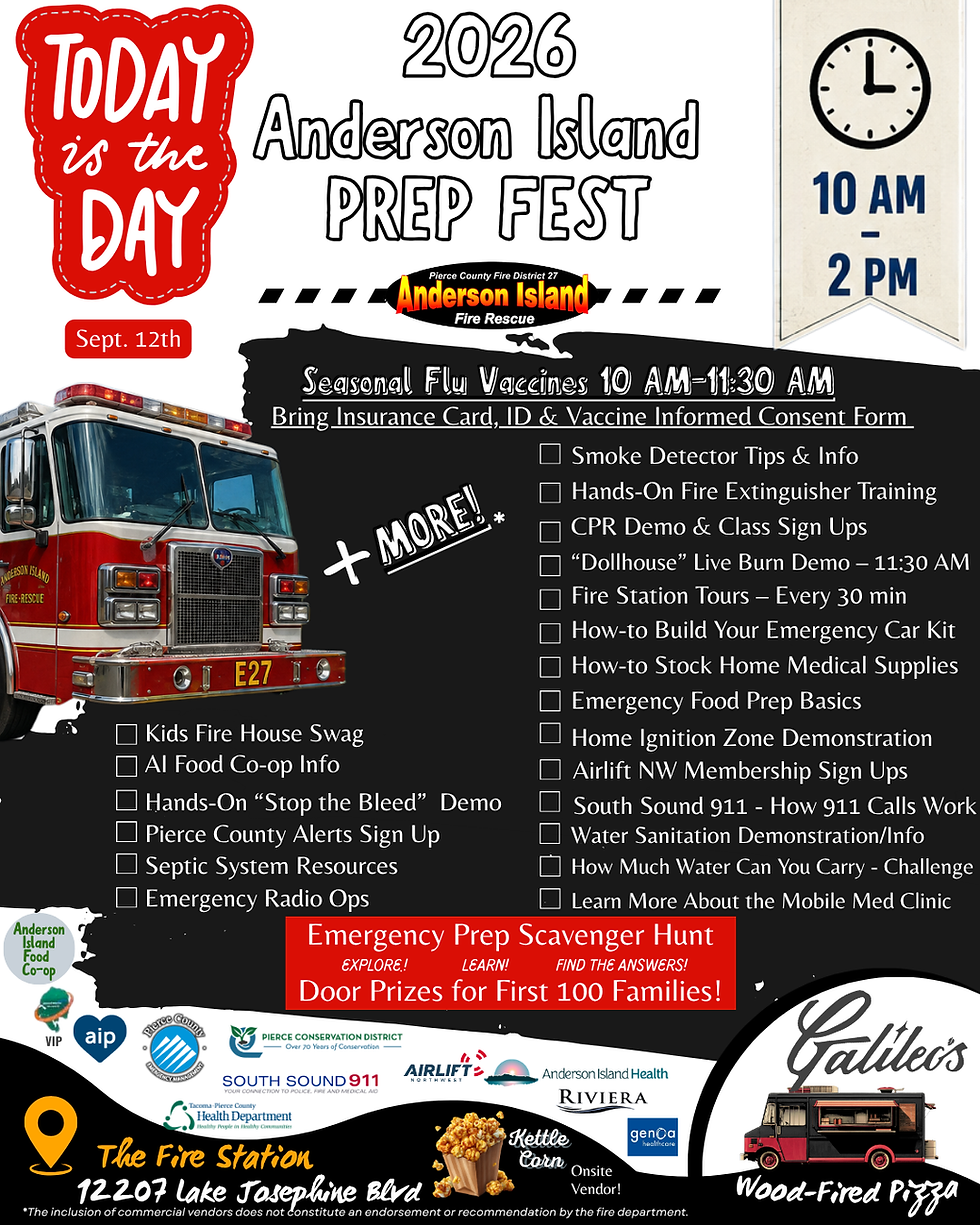
When someone in our area calls 911, the call is answered by South Sound 911, our regional emergency communications center. Each year, they answer more than 1 million calls for police, fire and EMS agencies. The people who answer these calls are called telecommunicators, and they are trained to quickly send help when it’s needed.
When to Call 911
Call 911 only for emergencies—when someone’s life, health, or property is in immediate danger, or when a crime is happening right now. If you accidentally call 9-1-1, do not hang up. Stay on the line and tell the telecommunicator it was a mistake.
When you call, be ready to share:
WHERE: Be ready to tell them your address. If you don’t know it, try to describe where you are using landmarks, nearby buildings, or cross streets.
WHAT: Be ready to explain what is happening and whether you need police, fire, or medical help.
You may be asked several questions. This does not delay help. Your answers are shared with responders while you are still on the call.
Texting 911
You may be able to text 911 if you cannot speak, such as during a medical emergency or if speaking could make the situation unsafe. This service is also helpful for people who are Deaf, hard of hearing, or speech disabled.
If texting 911:
Include the emergency and your exact location, including the city.
Keep messages short and clear.
Stay with your phone to answer questions.
Don’t use emojis, abbreviations, photos or videos.
Even if you cannot make a phone call due to signal issues, a text message to 911 may still go through.
Non-Emergency Line
If there is no immediate danger and no one is hurt, call the non-emergency line instead:253-287-4455 or 800-562-9800 toll free.
This line can be used to report things like property theft, vandalism or to add details to an existing report.
Emergency Health Profiles
Pierce County residents can create a free Emergency Health Profile at emergencyprofile.org. This allows you to share important medical information, such as allergies, medical conditions, and emergency contacts, with first responders during a 911 call. You can also use your iPhone’s Medical ID feature or Android’s Emergency SOS feature to store this information as well.
Knowing when and how to contact 911 helps emergency responders serve our community safely and quickly.
Sources: www.southsound911.org, www.dshs.wa.gov

Comments